

The Guardian Metal Protector of LiBr absorption chiller
In industrial LiBr absorption chillers, lithium bromide solution serves as the core medium for refrigeration circulation. However, aqueous lithium bromide solution is inherently corrosive and continuously erodes carbon steel shells and copper heat exchange tubes, endangering the safety of system equipment. As a specialized anti-corrosion agent, the corrosion inhibitor acts as the “guardian” of metallic components, directly determining the operational stability and service life of the chiller, and it is an indispensable chemical in daily system maintenance.
LiBr absorption chiller operate under high-vacuum conditions. Due to the limitations of sealing performance, trace air ingress is inevitable during long-term operation. Oxygen contained in air is the primary cause of metal corrosion, reacting with metallic components and lithium bromide solution to produce rust, copper debris, metal oxides and other contaminants. Circulating within the system, these impurities easily block spray nozzles, heat exchanger channels and filter devices, wear shield pumps, increase thermal resistance, reduce refrigeration efficiency, and may further cause solution crystallization and unit shutdown faults. Therefore, the application of qualified corrosion inhibitors is an essential measure to fundamentally restrain corrosion and avoid cyclic equipment damage.
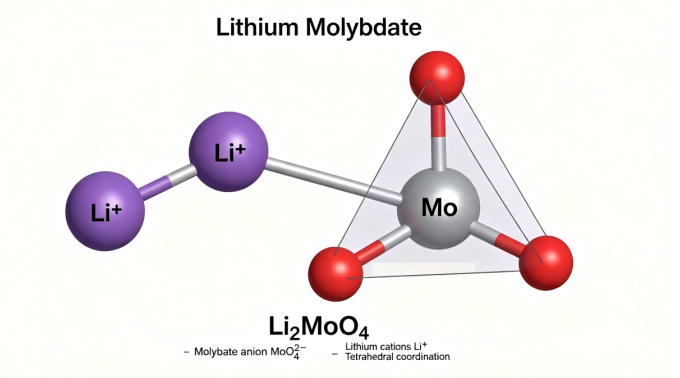
Two main types of corrosion inhibitors are widely applied in lithium bromide chiller systems. The traditional lithium chromate delivers stable anti-corrosion performance but is gradually phased out due to heavy metal content and poor environmental compatibility. Currently, lithium molybdate is the mainstream environmentally friendly inhibitor. Featuring zero heavy metal pollution and high compliance with industrial environmental standards, it has become the preferred anti-corrosion agent for industrial chillers.
The core working mechanism of corrosion inhibitors is chemical passivation. Under standard operating conditions, active ions of the inhibitor adhere to metal inner surfaces and form a dense and stable passivation film. This protective film isolates metal components from the dual erosion of lithium bromide solution and oxygen, blocks oxidation and corrosion reactions, and significantly reduces the generation of corrosive contaminants. It comprehensively protects system components and lowers the operating load of filters and heat exchangers, ensuring stable and smooth refrigeration circulation.
The protective effect of corrosion inhibitors is not permanent and requires strict operating conditions. Specifically, the pH value of the solution must be maintained within a weak alkaline range of 9.0 to 10.5. Insufficient alkalinity prevents the formation of passivation films and invalidates anti-corrosion functions, while excessive alkalinity will reversely corrode metal pipelines. In addition, continuous unit operation, vacuum pumping and system leakage gradually consume corrosion inhibitors, leading to the attenuation of anti-corrosion performance.
During routine maintenance, regular sampling and analysis of lithium bromide solution are required to monitor pH value, inhibitor concentration and metal ion content. Lithium hydroxide is supplemented to adjust solution alkalinity, and corrosion inhibitors are added quantitatively as required. Excessive inhibitor concentration must be avoided, as redundant sediments will block pipelines and filter elements and cause secondary faults. Furthermore, corrosion inhibitors should be clearly distinguished from iso-octanol. Corrosion inhibitors focus on metal anti-corrosion and equipment protection, while iso-octanol serves only to improve refrigeration efficiency without any anti-corrosion effect. Both agents are independent and essential for stable unit operation.
Negligence in inhibitor management will lead to severe consequences. Failure and damage of the passivation film will accelerate metal corrosion, resulting in dark and turbid solution and sharp growth of contaminants. Frequent filter cleaning cannot solve the fundamental problem. Ultimately, the unit will suffer from reduced heat transfer efficiency, declined refrigeration capacity, pump abrasion and pipeline blockage, which increases maintenance costs and shortens equipment service life.
In conclusion, corrosion inhibitors constitute the core anti-corrosion guarantee for lithium bromide refrigeration systems. Through professional passivation protection and standardized daily maintenance, equipment corrosion can be effectively restrained and unit performance stabilized, which is critical to ensuring the long-term efficient and stable operation of LiBr absorption chiller.
Post time: Aug-07-2026


